
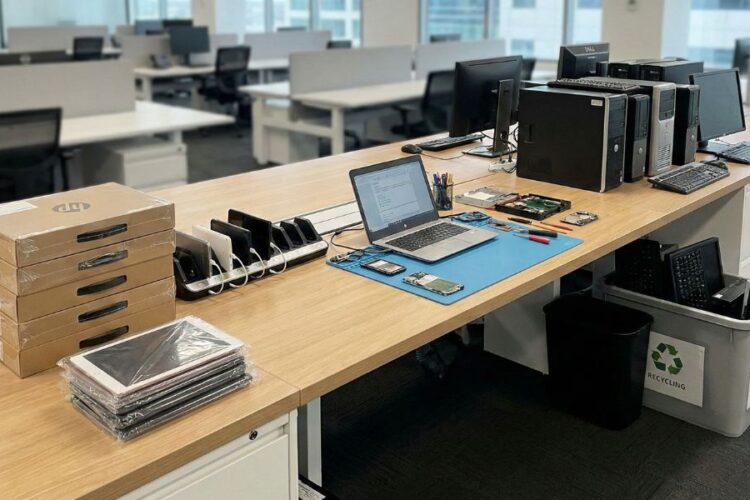
IT infrastructure plays a crucial role in ensuring smooth operations, productivity, and long-term scalability. Organizations frequently rely on a bulk desktop purchase strategy when setting up new offices, upgrading outdated systems, or expanding operations across multiple departments. This approach not only improves cost efficiency but also ensures consistency in performance, security, and IT management.
However, desktop procurement is only one part of the IT lifecycle. Businesses must also consider secure disposal, recycling, and asset recovery of old systems, especially when dealing with large volumes of equipment. This is where structured IT lifecycle planning becomes essential for sustainable operations.
Understanding the Importance of Bulk Desktop Planning
A wholesale desktop purchase is not simply about buying computers in large quantities. It is a strategic decision that impacts long-term IT performance, budgeting, and operational efficiency. Standardizing desktops across an organization helps reduce compatibility issues, simplifies maintenance, and improves IT support processes.
In large business hubs like Dubai, companies often prefer centralized IT procurement models because they support rapid scaling and better vendor negotiations. When systems are uniform, IT teams can troubleshoot problems faster and reduce downtime, which directly improves workforce productivity.
Business Requirement Assessment Before Procurement
Before executing a bulk normal desktop buyer strategy, organizations must conduct a detailed assessment of their operational requirements. Different departments often require different system specifications depending on their workload.
For example:
- Finance departments may need stable mid-range systems for accounting software
- Design teams may require high-performance desktops for graphics and rendering
- Administrative staff may operate efficiently with standard configurations
Understanding these needs ensures that businesses invest in the right hardware without overspending or underutilizing resources. A well-planned procurement strategy improves both efficiency and cost management.
Cost Efficiency and Budget Optimization
One of the biggest advantages of a wholesale desktop purchase model is significant cost savings. Buying desktops in large quantities allows businesses to negotiate better pricing, reduce shipping costs, and secure favorable warranty terms.
However, organizations must not focus solely on initial purchase cost. Long-term value is equally important. Durable systems with upgrade flexibility often provide better return on investment compared to cheaper alternatives that require frequent replacement. Businesses must evaluate the total cost of ownership, including maintenance, upgrades, and energy consumption.
Importance of Data Security During IT Upgrades
When companies upgrade their IT infrastructure, old desktops often contain sensitive business data such as financial records, client information, and internal communications. Improper handling of this data can lead to serious security risks.
A bulk normal desktop buyer in Dubai approach must always include secure data destruction practices. Simply deleting files is not enough because data can still be recovered using specialized tools. Secure wiping or physical destruction ensures the complete elimination of sensitive information.
Proper data security practices help businesses:
- Prevent data breaches
- Maintain customer trust
- Comply with corporate governance policies
- Avoid legal and financial penalties
Environmental Responsibility in Desktop Lifecycle Management
Sustainability has become a key focus for modern organizations. A structured wholesale desktop purchase strategy should always include responsible disposal planning for outdated equipment.
Electronic waste is one of the fastest-growing waste categories globally. Improper disposal can lead to harmful environmental effects due to toxic materials like lead, mercury, and cadmium present in electronic components.
Recycling desktops helps recover valuable materials such as:
- Metals like aluminum and copper
- Plastic components
- Electronic circuits and reusable parts
This reduces environmental damage and supports circular economy practices where resources are reused instead of wasted.
Logistics and Handling of Bulk IT Equipment
Managing large quantities of desktops requires careful logistical planning. Businesses working with a bulk normal desktop buyer must ensure smooth coordination for pickup, transportation, and processing.
Efficient logistics include:
- On-site collection of IT assets
- Safe transportation to processing facilities
- Proper sorting and evaluation of equipment
- Categorization for reuse, resale, or recycling
Without proper logistics, businesses may face delays, operational disruption, or security risks during asset handling.
IT Asset Lifecycle Management Strategy
Modern organizations are increasingly adopting full IT lifecycle management strategies rather than treating procurement and disposal as separate processes. A wholesale desktop purchase should be part of a continuous lifecycle that includes:
- Procurement and deployment of systems
- Regular maintenance and performance monitoring
- Periodic upgrades based on business needs
- Secure disposal and recycling of outdated systems
This approach ensures maximum utilization of IT assets while reducing unnecessary costs and improving operational efficiency.
Common Challenges in Bulk Desktop Procurement
Despite its advantages, bulk IT procurement comes with several challenges that businesses must address:
- Rapid technological advancements leading to quick obsolescence
- Inventory management for large volumes of equipment
- Ensuring consistent performance across all systems
- Maintaining data security during replacement cycles
- Compliance with environmental regulations for disposal
These challenges highlight the importance of structured planning and professional IT asset management support.
Role of IT Recycling and Asset Recovery Systems
A bulk normal desktop buyer becomes more efficient when combined with proper IT recycling and recovery systems. These systems ensure that old desktops are not simply discarded but are processed in a secure and environmentally responsible manner.
Professional IT recycling support typically includes:
- Secure collection and transportation of devices
- Certified data destruction processes
- Assessment of reusable components
- Environmentally safe recycling of electronic waste
- Reporting and compliance documentation
This ensures businesses maintain both operational efficiency and environmental responsibility while upgrading their IT infrastructure.
Conclusion
Managing bulk desktop procurement is a strategic process that requires careful planning, budgeting, and lifecycle management. A bulk desktop purchase allows businesses to optimize costs, standardize systems, and improve operational efficiency. At the same time, integrating secure disposal practices through a bulk normal desktop buyer model ensures data protection, environmental responsibility, and regulatory compliance. When both procurement and recycling are aligned, businesses achieve long-term value, sustainability, and operational excellence.
Trusted across the UAE for reliable IT lifecycle management solutions, E-Waste IT Recycling provides secure and sustainable IT asset disposal services across the UAE. It specializes in bulk desktop collection, certified data destruction, and eco-friendly recycling of outdated IT equipment. With efficient pickup and responsible processing, it ensures safe handling of sensitive data and compliance. Its structured approach helps businesses manage IT assets efficiently while supporting sustainable recycling practices and maximizing overall asset value responsibly.