
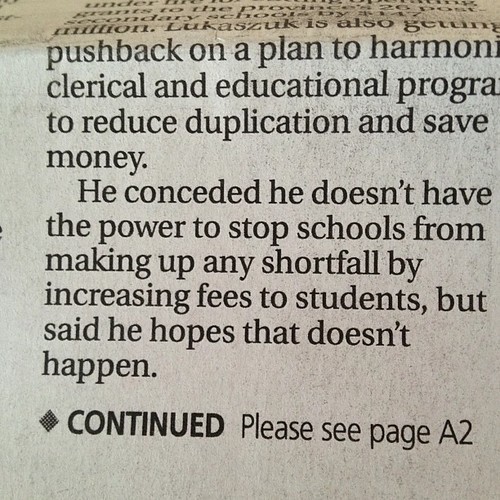
Alberta post-secondary schools are facing new limits on institutional politics and ideology as part of a proposed bill. This development could significantly impact academic environments across the province.
Understanding the Proposed Bill
The proposed bill regarding Alberta post-secondary schools aims to address various concerns surrounding institutional politics and ideological influence within educational settings. Advocates argue that this legislation is necessary to ensure academic freedom and integrity, while critics express fears about potential censorship and the stifling of diverse viewpoints.
Key elements of the proposed bill include:
- Definition of Political Limits: The bill seeks to clearly define what constitutes acceptable political discourse within Alberta post-secondary schools, aiming to foster a more balanced environment.
- Protection of Academic Freedom: Proponents emphasize the importance of safeguarding faculty and student rights to explore and discuss controversial topics without fear of retribution.
- Institutional Accountability: The legislation proposes mechanisms for monitoring compliance and addressing grievances related to perceived political bias in curriculum and campus activities.
Supporters of the bill believe it will promote a healthier academic climate, while opponents warn that it could lead to unintended consequences, such as diminishing the vibrant debates that are crucial to higher education. As discussions continue, the implications for Alberta post-secondary schools remain a topic of significant interest and concern.
Impact on Academic Freedom
The ongoing debate surrounding the proposed bill has raised significant concerns about the impact on academic freedom within Alberta post-secondary schools. Critics argue that the restrictions imposed by the bill could undermine the essential principles of inquiry and exploration that define academic institutions.
One major concern is that the bill may limit the ability of faculty and students to engage in open discussions about controversial topics. This could result in a chilling effect, where individuals self-censor their thoughts and ideas for fear of political repercussions. As a consequence, the vibrant exchange of diverse perspectives, which is crucial for a robust educational environment, may be stifled.
Furthermore, the proposed legislation is seen as a reflection of broader ideological battles within the province, leading to questions about autonomy in higher education. Critics maintain that institutional politics should not dictate the curriculum or research agendas at Alberta post-secondary schools.
In response to these concerns, various academic organizations have urged lawmakers to reconsider the implications of the bill. They emphasize that a commitment to academic freedom is vital for fostering innovation and preparing students for future challenges in a complex world.
- Impact on open discussions
- Chilling effect on academic inquiry
- Concerns over autonomy
Reactions from Students and Faculty
As the proposed bill continues to stir controversy, reactions from students and faculty at Alberta post-secondary schools have been mixed. Many are concerned about the implications for academic freedom and the potential for political influence over educational institutions.
Students have expressed their worries through various channels, including social media and campus forums. A recent survey indicated that 70% of students feel that the bill could stifle open dialogue within classrooms. One student leader stated, “We should be able to discuss all viewpoints without fear of retribution or censorship.”
Faculty members have also voiced their apprehensions. Some professors argue that the bill undermines the fundamental principles of higher education, which thrive on diverse perspectives and critical thinking. A history professor noted, “If we allow politics to dictate what can be taught, we risk losing the essence of what it means to be educated.”
In contrast, a small group of supporters believes that the bill is necessary to ensure that academic institutions remain free from perceived ideological biases. They argue that Alberta post-secondary schools should be places of balanced discussion, not battlegrounds for political agendas.
As the debate unfolds, it is clear that the proposed changes have sparked a significant dialogue among those within Alberta’s educational landscape.
Historical Context of Political Influence
The relationship between politics and Alberta post-secondary schools has a long and complex history. Various governments have attempted to exert influence over educational institutions, shaping both curriculum and governance. This influence often arises from the political landscape of the time, reflecting broader societal views and priorities.
Historically, funding decisions have played a critical role in determining the extent of political influence on post-secondary education. For instance, during periods of economic prosperity, provincial governments have invested heavily in these institutions, but such support often comes with strings attached. Conversely, during times of austerity, funding cuts can lead to reduced academic freedom, forcing schools to align more closely with government ideologies.
Moreover, legislation has often been a tool for political control, guiding the administrative frameworks within which Alberta post-secondary schools operate. Over the years, various bills have been introduced with the intention of promoting certain educational priorities, yet they frequently raise concerns about the potential stifling of academic expression and critical thought.
As these dynamics evolve, the ongoing dialogue about the independence of educational institutions continues to highlight the delicate balance between political influence and the integrity of academic pursuits within Alberta’s post-secondary landscape.
Comparative Analysis with Other Provinces
When examining the landscape of Alberta post-secondary schools in comparison to other provinces, distinct patterns emerge regarding political influence and institutional autonomy. In provinces such as British Columbia and Ontario, post-secondary institutions often enjoy a degree of independence from political pressures, allowing for a more diverse academic environment. This autonomy fosters an atmosphere where faculty and students can freely express differing viewpoints and engage in robust debates.
In contrast, Alberta post-secondary schools have faced increasing scrutiny under recent political proposals, which may limit academic freedom. A comparative analysis reveals that:
- British Columbia: Institutions maintain strong governance structures that protect academic integrity.
- Ontario: Universities promote policies that encourage diverse ideological perspectives.
- Quebec: A long-standing tradition of academic independence supports innovative research and open dialogue.
These differences highlight the potential risks posed by the proposed legislation in Alberta, which could undermine the collaborative spirit that defines higher education. As the political climate shifts, the future of Alberta post-secondary schools hangs in the balance, prompting calls for a more balanced approach that prioritizes educational freedom alongside political accountability.
Future Implications for Alberta Education
The proposed bill regarding Alberta post-secondary schools raises critical questions about the future of education in the province. With the current political landscape heavily influencing institutional policies, the implications for students and faculty could be significant.
As Alberta post-secondary schools navigate this evolving climate, a few key areas warrant attention:
- Curriculum Development: The ability to design and implement a diverse curriculum may be hindered by political pressures, leading to a homogenization of educational experiences.
- Funding Allocation: Financial resources may be disproportionately directed towards programs that align with political ideologies, potentially sidelining essential fields of study.
- Student Engagement: The proposed restrictions could stifle student activism and engagement, limiting their role in shaping the academic environment.
- Faculty Autonomy: Professors may face challenges in exercising academic freedom, which could lead to a decline in the quality of education and research.
Ultimately, the future of Alberta’s education system will depend on the balance between political influence and the commitment to fostering an open and dynamic academic landscape. Stakeholders must advocate for an educational framework that prioritizes intellectual diversity and independence.
Conclusion: Navigating Changes Ahead
As Alberta post-secondary schools navigate the complexities introduced by the proposed bill, the future of academic governance remains uncertain. The implications of political influence on education are multifaceted, affecting not only institutional autonomy but also the quality of education that students receive. Stakeholders across the province are urged to consider how these changes will shape the academic landscape.
The reactions from students and faculty have underscored a collective concern about the preservation of academic freedom. This is critical, as the ability to explore diverse perspectives and foster independent thought is foundational to any educational institution. Moving forward, it is essential for Alberta post-secondary schools to advocate for their autonomy while maintaining a focus on educational excellence.
Furthermore, the historical context of political involvement in education serves as a reminder that the balance between governance and academic integrity must be carefully navigated. Other provinces offer a comparative lens, showcasing different approaches that have either succeeded or faced challenges in similar circumstances.
Ultimately, the journey ahead requires collaboration between educational institutions, policymakers, and the public to ensure that Alberta post-secondary schools can thrive in an environment that values both educational freedom and responsible governance.
By Kim Siever via Openverse
Read the original
Related stories
Hagerty earnings report: Proven revenue growth exceeds estimates · Pankaj Pandey Appointment: Proven Leadership at Power Grid · Tunwal E-Motors IPO: Smart Insights on Listing Gains