
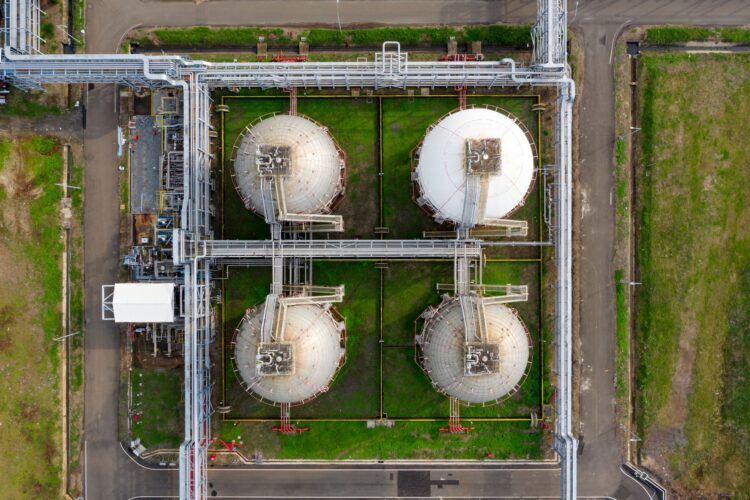
natural gas storage risks are becoming a pressing concern as winter demand approaches. With above-normal storage levels, the market faces uncertainty in balancing supply and demand.
Understanding Natural Gas Storage
Natural gas storage plays a critical role in managing supply and demand, especially as we approach the winter months. With the increasing reliance on natural gas for heating, the ability to store adequate supplies becomes essential. However, there are significant risks associated with natural gas storage that industry stakeholders must navigate.
As the winter season approaches, the demand for natural gas is expected to rise, leading to heightened scrutiny of storage levels. Currently, many regions report above-normal storage capacity, which can provide a buffer against sudden spikes in demand. Nevertheless, this situation is precarious, as unforeseen weather patterns or economic shifts can dramatically alter consumption rates.
Some of the risks include:
- Weather Variability: Unpredictable cold snaps can result in unexpected surges in demand.
- Operational Challenges: Aging infrastructure may lead to inefficiencies in storage management.
- Market Volatility: Price fluctuations can impact the profitability of natural gas storage operations.
Understanding these natural gas storage risks is crucial for ensuring a reliable supply during peak demand periods, highlighting the need for strategic planning and infrastructure investment.
Current Market Conditions
The current market conditions for natural gas highlight a complex interplay between supply and demand, particularly as we approach the winter months. With natural gas storage levels remaining above normal, the industry faces significant challenges ahead.
Analysts are concerned that while storage capacities are adequate, the risks associated with natural gas storage could lead to shortages if winter demand surges unexpectedly. These risks stem from several factors:
- Weather Variability: Unpredictable weather patterns can dramatically affect heating needs, leading to sudden spikes in demand.
- Infrastructure Limitations: Aging storage facilities may struggle to meet increased demand, particularly during peak usage periods.
- Market Dynamics: Volatility in natural gas prices can impact the ability of suppliers to manage inventory effectively.
- Regulatory Changes: New regulations can impose additional constraints on storage capabilities, further complicating the market landscape.
As stakeholders navigate these challenges, understanding the potential risks of natural gas storage will be crucial in ensuring a stable supply throughout the winter. The balance between maintaining adequate reserves and responding to demand fluctuations remains a pressing concern for industry leaders.
Winter Demand Projections
The upcoming winter season poses significant challenges for natural gas storage, with projections indicating a potential strain on supplies. As temperatures drop, demand for heating increases, leading to heightened consumption of natural gas. Experts are cautioning that this surge in demand could expose the vulnerabilities associated with natural gas storage risks.
According to recent analyses, several factors contribute to the unpredictable nature of winter demand:
- Weather Variability: Unseasonably cold weather can dramatically increase consumption, putting pressure on storage facilities.
- Supply Chain Disruptions: Ongoing geopolitical tensions and production issues can hinder supply, exacerbating storage challenges.
- Market Fluctuations: Changes in market dynamics, such as price spikes, can influence consumer behavior and demand patterns.
Given these uncertainties, stakeholders must remain vigilant. The balance between maintaining adequate storage levels and meeting rising demand will be critical to avoiding shortages. As the winter months approach, the implications of natural gas storage risks will become increasingly apparent, emphasizing the need for strategic planning and management in the industry.
Risks to Natural Gas Supply
The natural gas market faces several risks that could impact supply as winter approaches. With storage levels above normal, the situation seems stable, but underlying vulnerabilities remain. These risks stem from various factors that could affect natural gas availability during peak demand periods.
- Weather Variability: Unpredictable winter weather can lead to sudden spikes in demand, placing significant pressure on existing storage supplies.
- Operational Challenges: Aging infrastructure and maintenance issues can disrupt the flow of natural gas, causing shortages when demand is high.
- Regulatory Changes: Shifts in government policy regarding environmental regulations may impact production levels, thereby affecting the overall supply chain.
- Geopolitical Factors: Tensions in key gas-producing regions can lead to supply interruptions, which are particularly concerning during the winter months when demand is at its peak.
These factors highlight the importance of monitoring natural gas storage risks closely. If any of these risks materialize, they could lead to significant supply challenges, ultimately affecting consumers and industries that rely heavily on this vital energy source.
Impacts on Business and Consumers
The ongoing challenges in natural gas storage risks are not only affecting energy suppliers but also have significant implications for businesses and consumers alike. As the winter months approach, the demand for natural gas typically surges, leading to heightened concerns over supply shortages and storage capacity.
Businesses that rely heavily on natural gas for their operations may face increased costs and potential supply disruptions. This can lead to:
- Higher operational expenses: Companies may need to budget for fluctuating gas prices and the potential need to switch to alternative energy sources.
- Production delays: Industries that depend on consistent natural gas supply could experience interruptions, affecting their ability to meet consumer demand.
- Investment uncertainties: Companies might hesitate to invest in expansion or new projects due to unpredictable energy costs.
For consumers, the impacts are similarly concerning. Rising natural gas prices can translate into higher heating bills during colder months, straining household budgets. Furthermore, potential supply shortages could lead to:
- Increased heating costs: Families may struggle to afford essential heating services.
- Energy conservation measures: Consumers might adapt by reducing energy consumption, impacting comfort levels.
Thus, the natural gas storage risks present a complex challenge with wide-reaching effects.
As the energy market evolves, understanding the natural gas storage risks becomes increasingly vital for maintaining supply stability. Companies must navigate these natural gas storage risks to ensure they can meet the demands of a fluctuating market.
Photo by Tom Fisk on Pexels
Where this came from
Related reading
Whirlpool Q2 results: Net profit drops 39% YoY · Is Offline Maps App the Best Alternative to Google Maps? · Sensex Diwali trading: Quick rise of 300 points!