
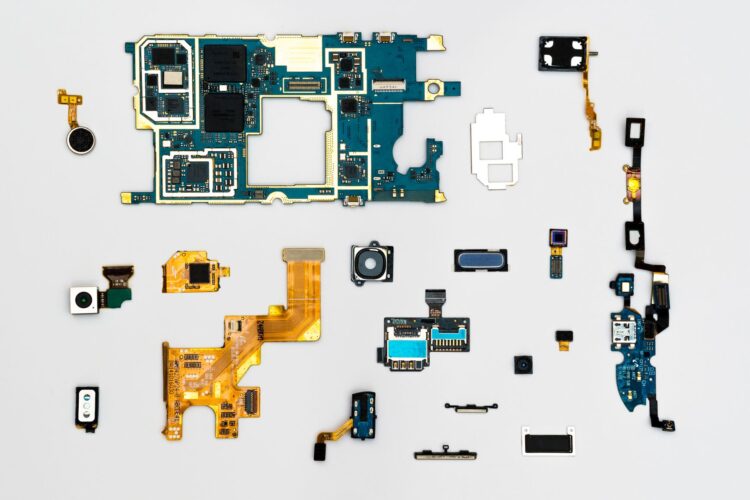
Memory costs smartphone parts are now consuming 54% of the budget for these devices. This trend raises concerns about affordability and performance in the market.
Understanding Memory Costs
The rising costs of memory components significantly impact the overall expenses associated with smartphone parts. Recent reports indicate that memory costs now account for 54% of the budget for smartphone parts, highlighting the importance of this component in manufacturing.
As manufacturers strive to produce high-quality devices, the price of memory has surged, affecting their profit margins and retail pricing. Understanding the factors influencing these memory costs can provide insight into the smartphone market.
- Supply and Demand: Increased demand for high-performance smartphones has led to a surge in memory prices.
- Technological Advancements: Innovations in memory technology, while improving performance, also contribute to rising costs.
- Market Dynamics: Fluctuations in the global semiconductor market can lead to unpredictable pricing.
While consumers may question whether these memory costs are justified, it’s essential to consider the role of memory in enhancing smartphone functionality. With more applications and features requiring extensive memory usage, the investment in high-quality parts becomes crucial for a satisfying user experience.
Impact on Budget Smartphone Production
The rising memory costs have significantly impacted the production of budget smartphones, leading manufacturers to reassess their strategies. As reported, memory costs now account for 54% of the total parts bill for budget devices. This increase poses a challenge for companies aiming to deliver affordable options without compromising quality.
Many manufacturers are finding it difficult to balance cost and performance. As memory prices soar, they may need to consider alternatives or adjustments to their product specifications to remain competitive. This situation has led to several key considerations:
- Material Selection: Companies might opt for lower-quality components to save costs, which could affect device performance.
- Price Adjustments: Some brands may need to increase retail prices, potentially alienating budget-conscious consumers.
- Innovation Focus: Manufacturers could prioritize features that enhance user experience while minimizing memory-intensive applications.
Ultimately, the impact of memory costs on smartphone parts is a critical factor that will shape the future of budget device production.
Trends in Smartphone Parts Pricing
Recent analyses indicate a significant shift in the pricing trends of smartphone parts, particularly regarding memory costs. As budget smartphones gain popularity, manufacturers face mounting pressures to manage their expenses effectively. A recent report highlights that memory costs now account for a staggering 54% of the budget smartphone parts bill, raising questions about the sustainability of these devices in the market.
This increase in memory expenses is driven by several factors:
- Supply Chain Disruptions: Ongoing challenges in the global supply chain have led to shortages, increasing prices for essential components.
- Technological Advancements: As smartphones incorporate more advanced features, the demand for higher-capacity memory continues to rise.
- Consumer Expectations: Users are increasingly seeking devices that offer better performance, leading manufacturers to invest more in memory.
With memory costs becoming a significant portion of smartphone parts expenditures, manufacturers must carefully consider whether these investments are financially viable in the long run. Ultimately, consumers may need to weigh the value of enhanced features against the rising prices of budget smartphones.
Consumer Reactions to Rising Costs
As memory costs continue to rise, consumers are expressing a mix of frustration and understanding regarding the pricing of smartphone parts. Many users are beginning to notice that the cost of budget smartphones is creeping up, largely due to the increasing expense of memory components.
In recent surveys, consumers shared their thoughts on the implications of these price hikes:
- Frustration: Some buyers feel that manufacturers should absorb these costs rather than passing them on to consumers. They argue that budget smartphones should remain affordable, even with rising memory costs.
- Acceptance: Others understand that as technology advances, prices for certain components, like memory, will inevitably increase. They believe that better performance justifies the higher expense.
- Quality Concerns: A segment of consumers is worried that rising costs may lead to lower quality in other parts of budget smartphones, as manufacturers allocate more of their budget to memory.
Ultimately, the balance between price and performance is a key concern for many, as the smartphone market continues to evolve.
Future Predictions for Memory Prices
As the smartphone market continues to evolve, future predictions for memory costs are increasingly critical for manufacturers and consumers alike. Analysts anticipate that the trend of rising memory costs will persist, driven by advancements in technology and increasing demand for higher performance devices.
Several factors are expected to influence memory prices over the next few years:
- Technological Advancements: As smartphones incorporate more advanced features, the need for faster and more reliable memory components will grow.
- Market Demand: With consumers favoring devices with enhanced capabilities, the pressure on memory costs will likely increase, affecting overall smartphone parts pricing.
- Supply Chain Challenges: Continued disruptions in supply chains could lead to shortages, further driving up prices.
- Competitive Landscape: As manufacturers compete to deliver superior products, the costs associated with high-quality memory components may reflect these efforts.
Ultimately, the question remains: are the rising memory costs smartphone parts worth the price? As consumers weigh their options, the balance between performance and affordability will be crucial in shaping future purchasing decisions.
Alternatives to Expensive Components
As memory costs continue to dominate smartphone parts expenses, manufacturers are exploring alternatives to maintain competitive pricing and meet consumer demand.
Some viable options include:
- Lower-Cost Memory Chips: Utilizing less expensive memory solutions can reduce overall production costs without significantly sacrificing performance.
- Alternative Materials: Innovations in materials science may lead to the development of new components that can serve as substitutes for traditional memory parts.
- Integrated Solutions: Combining multiple functions into a single chip can reduce the number of individual parts needed, thus cutting down expenses associated with memory costs.
- Refurbished Components: Manufacturers are beginning to consider the use of refurbished or recycled parts as a cost-effective way to manage budgets while maintaining quality.
These alternatives may offer a path forward for companies looking to keep prices in check, especially as memory costs for smartphone parts remain a significant factor in overall production budgets.
Conclusion: Navigating the Budget Smartphone Market
As the smartphone market continues to evolve, navigating the budget segment becomes increasingly complex. One of the primary challenges is the rising memory costs associated with smartphone parts, which now account for a staggering 54% of the total parts bill for budget devices. This significant expense raises the question: are budget smartphones worth the price?
Consumers are often drawn to budget models due to their affordability, but the trade-offs in performance and longevity can be substantial. As manufacturers strive to balance costs and quality, many are forced to compromise on essential components, particularly memory. This scenario leads to a cycle where cheaper devices may not deliver the expected user experience, leaving consumers dissatisfied.
To navigate this landscape, buyers should consider:
- Evaluating the specifications of smartphones beyond just the price.
- Researching brands that prioritize quality components.
- Staying informed about market trends and potential alternatives.
By making informed decisions, consumers can find budget-friendly smartphones that strike a balance between cost and performance.
As manufacturers strive to balance performance and affordability, understanding how memory costs smartphone parts becomes crucial for both consumers and producers. Ultimately, the question remains: are the benefits of high-quality memory worth the price when memory costs smartphone parts continue to rise?
Photo by Dan Cristian Pădureț on Pexels