
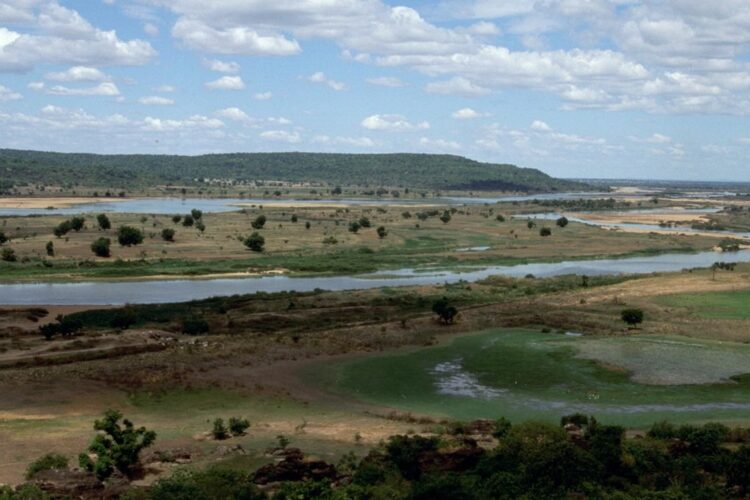
River Benue, the lifeline of West Africa. Flowing through Nigeria, it holds secrets of ancient civilizations and serves as a vital source of sustenance. Its meandering waters support diverse ecosystems, teeming with life. Come, embark on a journey along the majestic River Benue as we unveil its wonders and unravel its mysteries. Join us in exploring the heartbeat of the region, where nature and humanity intertwine in a dance as old as time. Welcome to the enchanting world of River Benue.

The Magnificent River Benue: Exploring Nigeria’s Lifeline
Welcome, young explorers, to a fascinating journey down the winding waters of the River Benue, a vital lifeline flowing through the heart of Nigeria. In this blog post, we will dive into the rich history, diverse ecosystems, and cultural significance of this majestic river. So, grab your imaginary paddles as we embark on an adventure to discover the wonders of the River Benue!
History of River Benue
The River Benue has a long and storied history that dates back centuries. Named after the Benué people who inhabit the region, this mighty river has played a crucial role in shaping the landscape and livelihoods of the communities along its banks. The Benue River flows over 870 miles through Nigeria and Cameroon, eventually merging with the River Niger to form the largest river system in West Africa.
Historically, the River Benue served as a vital trade route, connecting different regions and facilitating the exchange of goods and cultures. The river also holds spiritual significance for many indigenous communities, with myths and legends passed down through generations about its mystical powers.
Ecological Diversity Along the River
As we journey along the meandering path of the River Benue, we encounter a diverse range of ecosystems teeming with life. The river basin is home to a rich variety of flora and fauna, including lush forests, wetlands, and grasslands that support a myriad of plant and animal species.
Flora of the River Benue
The banks of the River Benue are lined with a lush carpet of vegetation, ranging from towering trees to delicate wildflowers. The fertile soil and abundant water supply make this region ideal for plant growth, with species such as mangroves, palms, and bamboo thriving along the riverbanks.
Fauna of the River Benue
Beneath the surface of the River Benue, a hidden world of aquatic creatures awaits discovery. From colorful fish darting between rocks to graceful water birds gliding overhead, the river is a bustling ecosystem filled with activity. Crocodiles, hippos, and otters are just a few of the fascinating creatures that call the River Benue home.
Cultural Significance of the River
For the communities that have lived along the banks of the River Benue for generations, the river holds deep cultural significance. It is not only a source of water and sustenance but also a symbol of unity and heritage. Many festivals, ceremonies, and rituals are centered around the river, honoring its role in the lives of the people.
Traditional fishing practices, agricultural techniques, and transportation methods all revolve around the river, showcasing the intimate connection between humans and nature. Stories and songs are passed down through oral traditions, celebrating the spirit of the River Benue and its importance in the local way of life.
Challenges Facing the River Benue
Despite its beauty and importance, the River Benue faces numerous challenges that threaten its health and sustainability. Pollution from industrial runoff, deforestation, and climate change are putting increased pressure on the fragile ecosystem of the river basin. The construction of dams and irrigation projects also disrupt the natural flow of the river, affecting the livelihoods of those dependent on its waters.
Efforts are being made to protect and preserve the River Benue, with conservation projects and awareness campaigns raising awareness about the importance of sustainable practices. By working together to address these challenges, we can ensure that the River Benue continues to flow for generations to come, sustaining life and culture along its banks.
As we conclude our journey down the River Benue, let us remember the lessons we have learned about the history, ecosystems, and cultural significance of this magnificent waterway. By appreciating and respecting the river, we can help preserve its beauty and vitality for the future. Thank you for joining me on this adventure, and until next time, happy exploring!
Finding where River Niger and River Benue meet in Nigeria. The Confluence point in Africa
Frequently Asked Questions
What are some important facts about the River Benue?
The River Benue is the second longest river in Nigeria, flowing about 870 miles through the central part of the country. It is a major tributary of the Niger River and plays a vital role in the transportation of goods and people across the region.
How does the River Benue contribute to the local economy?
The River Benue supports fishing, agriculture, and transportation activities along its banks. It provides water for irrigation, enabling farming communities to cultivate crops and sustain their livelihoods. Additionally, the river facilitates trade by serving as a key transportation route for goods.
What are some environmental concerns related to the River Benue?
Environmental concerns related to the River Benue include pollution from industrial activities, agricultural runoff, and waste disposal. These factors can degrade water quality, harm aquatic life, and impact the health of communities that rely on the river for various purposes.
How does the River Benue impact the surrounding ecosystems?
The River Benue supports diverse ecosystems along its course, providing habitats for a variety of plant and animal species. It also influences the local climate and helps maintain the ecological balance in the region. However, human activities such as deforestation and pollution can threaten these ecosystems.
Final Thoughts
In conclusion, River Benue plays a vital role in the ecosystem and livelihoods of communities along its banks. Its meandering waters support diverse flora and fauna, sustaining local economies through fishing and agriculture. The river’s significance extends beyond its physical presence, representing a cultural and historical landmark for the region. As we continue to explore and appreciate the beauty of River Benue, let us also prioritize its conservation and protection for future generations to enjoy.