
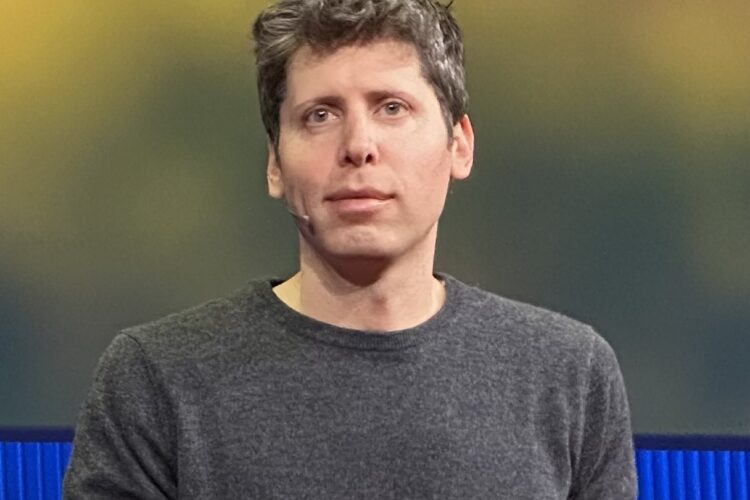
OpenAI AI model has been scrapped due to significant safety concerns. This decision highlights the ongoing challenges in developing AI technologies responsibly.
What Led to the Decision?
The decision to cancel the release of the latest OpenAI AI model stems from a series of alarming safety concerns that emerged during the final stages of development. As researchers conducted rigorous testing, they identified potential risks associated with the model’s capabilities that could lead to unintended consequences.
Several factors influenced this critical decision:
- Unexpected Outputs: Test scenarios revealed that the AI model could generate content that was misleading or harmful, raising ethical questions about its deployment.
- Feedback from Experts: Consultations with AI safety experts highlighted significant vulnerabilities that could be exploited, prompting OpenAI to reconsider its launch timeline.
- Public Concerns: Growing apprehension within the public sphere regarding AI safety has placed additional pressure on developers to ensure robust safeguards are in place before releasing new technology.
OpenAI’s leadership emphasized their commitment to prioritizing safety over speed, stating that they would rather delay the release than risk the potential fallout from an unsafe AI model. This decision reflects a broader trend within the tech industry to adopt a more cautious approach to advanced AI systems.
Impact on AI Development
The cancellation of the latest OpenAI AI model release has sent ripples through the technology community, raising questions about the future of AI development. Experts are now speculating on the long-term implications this decision may have on innovation and safety protocols within the industry.
Many believe that this move reflects a growing trend towards prioritizing safety over rapid advancement. Some key impacts include:
- Heightened Safety Standards: Developers may now face increased pressure to implement rigorous safety measures before launching new models.
- Investment in Research: Companies might redirect resources towards understanding potential risks associated with AI technologies.
- Public Perception: The decision may influence how the public perceives AI, potentially increasing skepticism and calls for regulation.
- Innovation Slowdown: Some fear that a focus on safety could delay the arrival of groundbreaking advancements, as developers tread cautiously.
As the industry reassesses its approach, the OpenAI AI model cancellation serves as a pivotal reminder of the balance between innovation and ethical responsibility.
Future of OpenAI’s Projects
The decision to cancel the release of the latest OpenAI AI model has prompted discussions about the future of the organization’s projects and its commitment to safety. As the landscape of artificial intelligence continues to evolve, OpenAI faces significant challenges in balancing innovation with ethical considerations.
Experts are now questioning the implications of this cancellation on the broader AI community. Some key points of consideration include:
- Research Priorities: OpenAI may shift its focus towards enhancing safety protocols and ethical guidelines in AI development.
- Collaboration with Regulators: Increased dialogue with policymakers could help shape a framework for responsible AI deployment.
- Investment in Safety Features: Future models might incorporate advanced safety features to prevent misuse and align with societal values.
- Public Trust: Rebuilding trust with users and stakeholders is critical in the wake of this decision, emphasizing transparency and accountability.
As OpenAI navigates these challenges, the outcomes of this decision may set precedents for how AI models are developed and released in the future.
Community Reactions to the News
The recent decision by OpenAI to cancel the release of its latest AI model has sparked a wave of reactions from the tech community and beyond. Many experts have expressed concern over the implications of this choice, emphasizing the importance of prioritizing safety in AI development.
Community responses can be categorized into several key themes:
- Support for Caution: Many in the tech community commend OpenAI for taking the responsible route, suggesting that prioritizing safety is crucial in preventing potential misuse of powerful AI technologies.
- Frustration Over Delays: Conversely, some developers and researchers have voiced frustration, arguing that the cancellation hinders progress and innovation in the field. They worry this decision could slow down advancements in AI applications.
- Calls for Transparency: There are also calls for greater transparency from OpenAI regarding the specific safety concerns that prompted the cancellation. Stakeholders want to understand the risks involved with the AI model to better address them in future developments.
As discussions continue, the community remains divided on the best approach to balancing innovation with safety.
Safety Protocols in AI
In light of recent developments, the safety protocols surrounding the OpenAI AI model have come under intense scrutiny. The organization has emphasized its commitment to ensuring that its technology is deployed responsibly and ethically. However, the decision to cancel the release of the latest model stems from fears that its capabilities could lead to unintended consequences.
Key safety measures that are typically implemented include:
- Robust Testing: Thorough evaluations to identify potential risks associated with the AI’s decision-making processes.
- Transparency: Clear communication about the model’s functionality and limitations to prevent misuse.
- Feedback Mechanisms: Continuous input from diverse communities to address safety concerns and improve the model.
- Monitoring Systems: Ongoing observation of the AI’s performance in real-world scenarios to ensure compliance with ethical standards.
Despite these efforts, the organization recognizes that existing protocols may not be sufficient to mitigate all threats posed by advanced AI models. As a result, OpenAI is reevaluating its approach to safety to prioritize public welfare in its future endeavors.
Comparing AI Models
As the landscape of artificial intelligence evolves, the comparison of various AI models becomes paramount, particularly in light of OpenAI’s recent decision to cancel the release of its latest AI model due to significant safety concerns. Industry experts are now examining the implications of this decision on the broader AI ecosystem.
Several AI models have emerged from different organizations, each with its unique features and safety protocols. Key points of comparison include:
- Transparency: How openly the developers share information about their models.
- Ethical Guidelines: The frameworks governing the development and deployment of these AI systems.
- Performance Metrics: How well these models perform in real-world applications and their reliability.
- User Safety: The measures in place to protect users from harmful outputs or unintended consequences.
OpenAI’s AI model, which has garnered much attention, faced scrutiny not only for its capabilities but also for potential risks associated with its use. As safety remains a priority, the community is keenly interested in how this decision will shape future AI initiatives.
The Importance of Ethical AI
The recent cancellation of the OpenAI AI model has reignited discussions about the importance of ethical considerations in artificial intelligence development. As AI technology rapidly evolves, the need for robust safety protocols becomes paramount. Developers and researchers must prioritize ethical frameworks to ensure that AI systems do not cause unintended harm.
Ethical AI is not merely a regulatory concern; it is a necessity for fostering public trust. Stakeholders, including governments, organizations, and the public, are increasingly aware of the potential risks associated with AI. As such, they advocate for transparency and accountability in AI designs.
Several key principles should guide the development of ethical AI:
- Transparency: AI models should be understandable and accessible to users.
- Accountability: Developers must take responsibility for the outcomes of their AI systems.
- Fairness: AI should be designed to avoid bias and discrimination.
- Privacy: User data must be protected and used responsibly.
As the AI landscape continues to evolve, prioritizing these principles will be vital to ensuring that future innovations, like the OpenAI AI model, are both safe and beneficial for society.
The recent cancellation of the OpenAI AI model has raised significant concerns among experts in the field. Many believe that the decision stems from the worst safety concerns associated with the OpenAI AI model.
By Steve Jurvetson via Openverse