
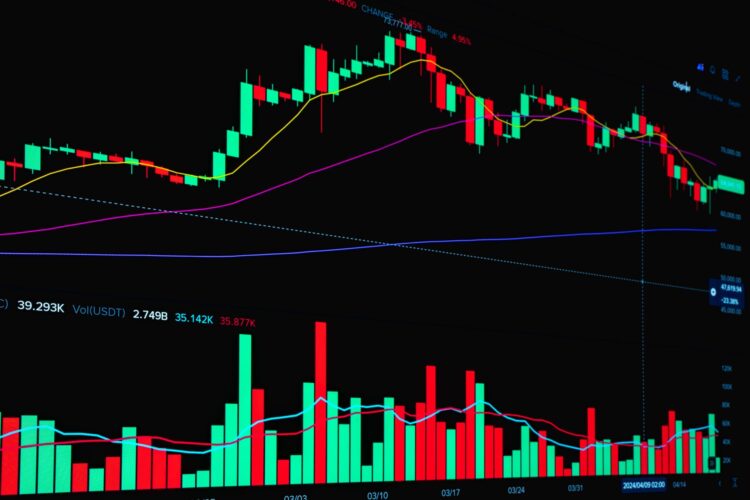
Sensex market trends show a decline of over 430 points today, primarily driven by inflation pressures impacting banks and the realty sector.
Understanding the Sensex Decline
The recent performance of the Sensex highlights a significant decline, with the index slipping over 430 points. This downturn has raised concerns among investors, particularly regarding the impact of inflation on various sectors, including banks and real estate. The persistent inflationary pressures have created a challenging environment for financial institutions, leading to increased scrutiny of their profitability and operational efficiency.
Key factors contributing to the Sensex market trends include:
- Inflation Rates: The surge in inflation has resulted in higher operational costs for banks, straining their margins.
- Interest Rate Hikes: In response to inflation, central banks may consider raising interest rates, which could further impact lending activities.
- Investor Sentiment: Negative sentiment around the banking sector has led to profit booking, contributing to the Sensex decline.
- Sectoral Performance: The realty sector is also feeling the heat, as rising costs and uncertainty deter investment.
Despite these challenges, some companies continue to thrive, as evidenced by Hitachi Energy’s impressive surge of 13%. This highlights the mixed nature of current market trends, where opportunities still exist amid broader declines. Investors are advised to stay informed about ongoing developments and reassess their strategies in light of the evolving economic landscape.
Impact of Inflation on Banks
The recent surge in inflation has sent shockwaves through the financial sector, particularly affecting banks. As the Sensex market trends indicate a notable decline, investors are increasingly concerned about the implications of rising costs on banking institutions.
Inflation impacts banks in several significant ways:
- Increased Borrowing Costs: As inflation rises, central banks may respond by increasing interest rates. This leads to higher borrowing costs for consumers and businesses, which can reduce demand for loans.
- Asset Quality Deterioration: Higher inflation can erode the purchasing power of borrowers, potentially leading to an increase in defaults. This deterioration in asset quality can significantly affect banks’ balance sheets.
- Margin Compression: Banks typically earn their profits from the difference between interest rates on loans and deposits. Rising inflation can compress these margins, especially if deposit rates do not increase at the same pace as loan rates.
- Market Volatility: The fluctuations in the Sensex market trends can lead to uncertainty among investors, impacting banks’ stock valuations and overall market confidence.
As the Sensex continues to grapple with inflationary pressures, the banking sector remains on high alert, navigating a challenging financial landscape that may reshape their operational strategies in the months ahead.
Nifty Performance Overview
The Nifty index has displayed significant volatility in recent trading sessions, reflecting the broader Sensex market trends influenced by rising inflationary pressures. As concerns mount over the economic outlook, the Nifty has struggled to maintain its footing, recently slipping near the 25,070 mark.
The prevailing inflation has had a pronounced impact on various sectors, particularly banks and real estate. Investors are wary as the cost of living continues to rise, prompting fears of tightening monetary policy from the Reserve Bank of India. This sentiment has led to a sell-off in stocks, with many traders opting for caution in light of the uncertain economic landscape.
In contrast, some stocks have bucked the trend. For instance, Hitachi Energy has seen a remarkable surge of 13%, drawing attention amid the general market downturn. Such fluctuations underscore the mixed signals within the markets, where select stocks thrive despite broader pressures.
Market analysts suggest that the Nifty’s performance in the coming weeks will largely depend on inflation data and the central bank’s response. Investors are advised to stay informed and consider sector-specific trends, particularly the ongoing struggles in banking and real estate, which will likely continue to influence the Nifty’s trajectory.
Hitachi Energy’s Surprising Surge
In a surprising turn of events amidst the prevailing inflationary pressures affecting major banks and real estate sectors, Hitachi Energy has emerged as a standout performer in the market. The company’s stock surged by an impressive 13%, defying the broader downward trend seen in the Sensex market trends.
Investors have reacted positively to Hitachi Energy’s recent announcements regarding new projects and innovations, which are anticipated to bolster their growth in the coming quarters. Analysts are optimistic that this surge is not just a fleeting moment but rather a reflection of the company’s robust fundamentals and strategic positioning in the energy sector.
Key factors contributing to this upward movement include:
- Innovative Product Launches: Hitachi Energy has unveiled several cutting-edge solutions aimed at enhancing energy efficiency.
- Strong Demand for Sustainable Solutions: With a global shift towards renewable energy, the company is well-poised to capitalize on this trend.
- Strategic Partnerships: Collaborations with other industry leaders have expanded their market reach significantly.
As the Sensex market trends continue to be influenced by inflation and other economic factors, Hitachi Energy stands out as a beacon of resilience and potential growth, offering a glimmer of hope for investors seeking opportunities in a challenging financial landscape.
The latest analysis of Sensex market trends reveals a significant correlation between rising inflation rates and the declining performance of banks. As investors closely monitor Sensex market trends, the uncertainty surrounding economic stability continues to affect banking stocks negatively.
Photo by Rafael Minguet Delgado on Pexels
Read the original
Logitech Gaming Day Off: Best Proven Way to Boost Morale · Eicher Motors Q2 results: Proven profit rise of 15% · Fixed Deposit Rates: Best Changes from Bank of Baroda & IOB