
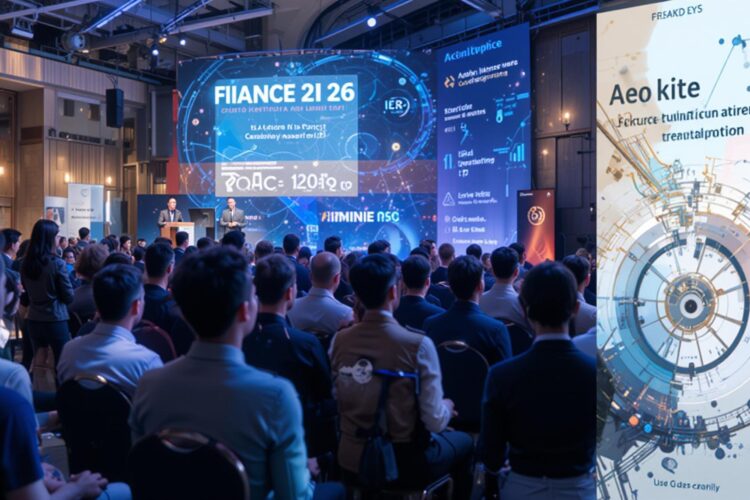
Banking is no longer defined only by branches, transactions, or traditional financial products. Customers now expect financial services to be faster, more personalised, and seamlessly integrated into everyday experiences. As competition increases and customer expectations evolve, financial institutions are rethinking how they operate, deliver services, and build relationships. A banking innovation summit provides a platform for industry leaders to explore these shifts, exchange insights, and understand the strategies shaping the future of financial services.
The next chapter of banking is being shaped by a combination of customer-focused innovation, advanced infrastructure, regulatory evolution, and new approaches to financial inclusion. Institutions that adapt successfully will not simply adopt new tools; they will redesign their approach to creating long-term value.
Moving Beyond Digital Banking Towards Intelligent Experiences
The first wave of digital transformation focused on making banking services available online. Mobile applications, internet banking, and digital payments improved accessibility and reduced dependence on physical branches. However, the next phase requires more than digital availability.
Modern customers expect financial platforms to understand their needs, anticipate requirements, and provide relevant solutions at the right moment. This shift is encouraging banks to focus on intelligent experiences rather than simple digital transactions.
For example, instead of customers searching through multiple banking options, future platforms may proactively recommend suitable financial products based on spending patterns, financial goals, and changing circumstances. This approach creates a more personalised relationship between institutions and customers.
The focus is moving from “providing access” to “creating meaningful financial interactions.”
The Forces Redefining Modern Financial Services
Several industry developments are influencing how banks design their future strategies. These changes are not isolated trends but interconnected movements reshaping the financial ecosystem.
1. Personalisation Through Data-Driven Insights
Customer data has become one of the most valuable resources in modern banking. When used responsibly, it allows institutions to understand customer behaviour and deliver more relevant experiences.
Banks are increasingly using analytics to improve areas such as:
- Personalised product recommendations
- Fraud detection and risk management
- Customer support experiences
- Financial planning assistance
However, successful data-driven banking requires a balance between personalisation and privacy. Customers want convenience, but they also expect transparency and control over how their information is used.
2. Embedded Finance and Connected Services
Financial services are becoming increasingly integrated into platforms beyond traditional banking environments. Consumers can now access payments, lending, insurance, and financial tools through various digital ecosystems. This movement is changing the role of banks.
Instead of being the only destination for financial activities, institutions are becoming connected service providers within broader customer journeys. Businesses across industries are also exploring financial solutions that improve customer engagement. This creates opportunities for banks to collaborate with technology companies, retailers, and service providers.
3. Stronger Focus on Security and Trust
Innovation cannot succeed without customer confidence. As financial systems become more connected, protecting sensitive information and preventing cyber threats remain major priorities. Banks are investing in advanced security frameworks, identity verification methods, and risk monitoring systems to create safer digital environments. Trust will continue to be a competitive advantage. Customers are more likely to adopt innovative financial services when they believe their money and personal information are protected.
Why Collaboration Will Define the Future of Banking
The future of banking will not be built by individual institutions working independently. Collaboration between banks, technology providers, regulators, and financial innovators will play a significant role in creating stronger ecosystems. Open banking initiatives, digital payment networks, and financial platforms demonstrate how collaboration can expand opportunities across the industry. By sharing expertise and developing interconnected solutions, financial organisations can respond more effectively to changing market demands.
This shift highlights the importance of discussions around financial innovation in banking, where industry stakeholders examine new models, emerging technologies, and strategies for improving financial experiences. Innovation is becoming less about competition alone and more about creating an ecosystem where different players contribute specialised capabilities.
The Human Side of Banking Innovation
While technology remains a major driver of change, successful banking innovation ultimately depends on understanding people. Financial decisions are deeply connected to personal goals, security, and life experiences. Customers do not simply want faster transactions; they want financial services that help them make better decisions.
Consider a young professional managing their first major investment or a small business owner seeking flexible financing options. In both cases, the value of innovation comes from how effectively banking solutions address real challenges. The strongest financial institutions will combine technological capability with human understanding. They will use innovation not only to improve operational efficiency but also to create stronger customer relationships.
Preparing for the Next Era of Financial Competition
The competitive landscape of banking is expanding. Traditional banks are now competing with digital-first financial platforms, fintech companies, and technology-driven service providers.
To remain relevant, financial institutions must focus on several strategic priorities:
- Building adaptable technology infrastructure
- Improving customer experience across channels
- Strengthening cybersecurity capabilities
- Developing partnerships with emerging players
- Encouraging continuous innovation within teams
The challenge is not simply adopting new solutions but creating an organisational culture that supports experimentation and long-term improvement. Banks that view innovation as an ongoing journey rather than a one-time transformation will be better positioned to navigate future changes.
Conclusion
The future of banking will be defined by how effectively institutions combine innovation, trust, and customer understanding. Technology will continue to create new possibilities, but meaningful progress will come from solutions that solve real financial challenges and improve everyday experiences. As financial institutions continue exploring financial innovation in banking, the focus will remain on creating secure, accessible, and customer-centric services that deliver long-term value.
Industry conversations and knowledge-sharing platforms play an important role in helping leaders understand emerging opportunities and prepare for change. WFIS Indonesia brings together financial professionals, innovators, and decision-makers to discuss the developments shaping the banking sector. Through such industry engagements, organisations can gain valuable perspectives on building more adaptive and customer-focused financial ecosystems.