
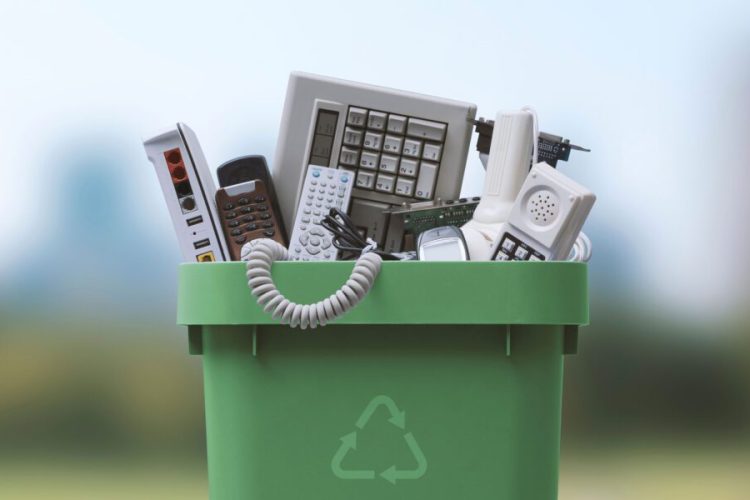
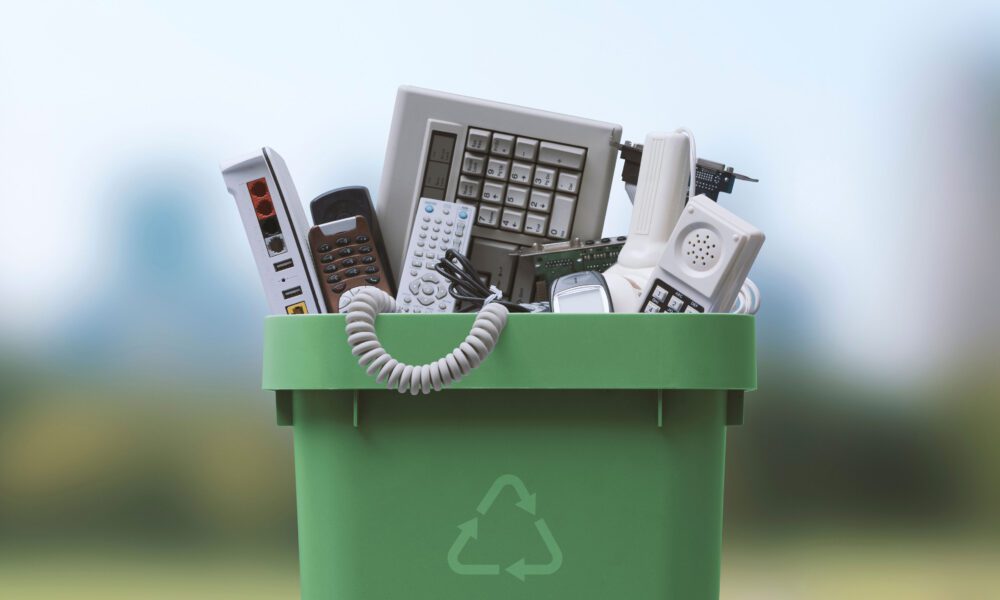
In an era defined by rapid technological advancement, electronic devices have become indispensable to both personal and professional life. However, their increasing usage has also led to a significant rise in discarded equipment, creating complex environmental and data security challenges. Improper disposal not only contributes to pollution but also exposes sensitive information to potential misuse. This is where electronic trash recycling in Dubai plays a critical role, offering a structured and responsible approach to managing digital waste. By integrating safe disposal practices with secure data handling, recycling solutions address both ecological concerns and information protection.
Understanding these benefits is essential for organizations and individuals aiming to align with sustainable practices while safeguarding valuable digital assets in an increasingly connected world.
Reducing Environmental Pollution Through Responsible Disposal
Effective electronic waste management begins with minimizing environmental harm, as responsible disposal practices ensure hazardous materials are carefully handled, reducing pollution and protecting ecosystems from long-term damage.
- Minimization of Toxic Leakage: Electronic devices contain hazardous substances such as lead, mercury, and arsenic that can seep into soil and groundwater when discarded improperly. Through structured electronic trash recycling, these materials are safely extracted and treated using controlled processes, preventing long-term ecological damage and protecting public health across urban environments.
- Lower Air Contamination Risks: Informal disposal methods, including burning electronic waste, release harmful gases and particulate matter into the atmosphere. Professional recycling eliminates these practices by ensuring safe dismantling and material recovery, thereby reducing air pollution and contributing to improved environmental quality in densely populated regions.
- Protection of Natural Ecosystems: Improper dumping of electronic waste can disrupt biodiversity by contaminating water bodies and agricultural land. Responsible recycling safeguards ecosystems by preventing hazardous exposure, preserving natural habitats, and maintaining ecological balance essential for sustainable development.
Enhancing Data Security and Confidentiality
Secure recycling goes beyond environmental benefits by addressing the critical need for data protection, ensuring that sensitive information stored in electronic devices is permanently destroyed and safeguarded against misuse.
- Certified Data Destruction Processes: Electronic devices often store sensitive personal and corporate data, making disposal a critical security concern. Recycling services incorporate advanced data destruction methods such as shredding and secure wiping, ensuring that information is permanently erased and cannot be recovered or misused.
- Mitigation of Data Breach Risks: Improper handling of discarded electronics increases the likelihood of unauthorized access to confidential information. By adopting electronic trash recycling in Dubai, organizations significantly reduce the risk of data breaches, protecting both their reputation and compliance standing in an increasingly regulated digital landscape.
- Compliance with Data Protection Standards: Many industries are governed by strict data privacy regulations. Professional recycling providers follow certified protocols that align with global and regional compliance requirements, ensuring that businesses meet legal obligations while maintaining trust with stakeholders and customers.
Promoting Resource Efficiency and Material Recovery
Recycling electronic waste plays a vital role in conserving valuable resources, enabling the recovery of reusable materials and supporting sustainable production systems that reduce dependence on raw resource extraction.
- Extraction of Valuable Materials: Electronic waste contains recoverable elements such as gold, silver, copper, and rare earth metals. Recycling processes enable the extraction and reuse of these materials, reducing the need for virgin resource mining and supporting a more sustainable production cycle.
- Reduction in Resource Depletion: Continuous demand for new electronic products places pressure on natural resources. By reintegrating recovered materials into manufacturing, recycling helps conserve finite resources and minimizes environmental strain associated with extraction and processing activities.
- Support for Circular Economy Models: Recycling transforms waste into reusable inputs, promoting a circular economy where materials are continuously repurposed. This approach not only reduces waste generation but also enhances long-term sustainability by aligning production and consumption patterns with environmental priorities.
Strengthening Corporate Responsibility and Sustainability Goals
Organizations today are increasingly expected to adopt sustainable practices, and structured recycling initiatives demonstrate a strong commitment to environmental responsibility, regulatory compliance, and long-term business integrity.
- Alignment with ESG Objectives: Environmental, Social, and Governance (ESG) considerations have become central to modern business strategies. Implementing structured recycling practices demonstrates a commitment to environmental stewardship and responsible operations, strengthening corporate credibility and investor confidence.
- Improved Brand Reputation: Organizations that actively manage their electronic waste are perceived as environmentally conscious and socially responsible. This positive perception enhances brand value, fosters customer trust, and differentiates businesses in competitive markets where sustainability is increasingly prioritized.
- Operational Efficiency and Cost Benefits: Effective recycling strategies can streamline waste management processes and reduce long-term costs associated with disposal and compliance. Partnering with professional recyclers ensures efficient handling, allowing organizations to focus on core operations while maintaining environmental accountability.
Supporting Urban Sustainability and Future Readiness
As cities continue to expand and technology evolves, efficient electronic waste management systems become essential for reducing landfill pressure and preparing urban environments for sustainable, future-focused growth.
- Reduction of Landfill Dependency: Rapid urbanization has intensified the challenge of waste management, with landfills reaching capacity in many regions. Recycling electronic waste reduces landfill burden, freeing up space and minimizing environmental hazards associated with waste accumulation.
- Encouragement of Responsible Consumer Behavior: Awareness of recycling practices influences individuals and businesses to adopt more sustainable habits. The availability of structured electronic trash recycling services encourages responsible disposal, creating a culture of accountability and environmental consciousness.
- Preparation for Technological Growth: As digital transformation accelerates, the volume of electronic waste will continue to rise. Establishing robust recycling systems ensures that cities are equipped to handle future waste streams efficiently, supporting long-term sustainability and resilience in an evolving technological landscape.
Conclusion
Electronic waste management is no longer a secondary consideration but a critical component of sustainable living and responsible business practices. The integration of safe disposal methods, data protection measures, and resource recovery systems highlights the multifaceted value of recycling. Through structured e-trash recycling Dubai solutions, both individuals and organizations can manage digital waste more efficiently and responsibly. From reducing environmental harm to safeguarding sensitive information, the benefits extend across ecological, economic, and operational dimensions.
For those seeking a reliable and structured approach to managing e-waste, Planet Green Recycling (L.L.C.) provides a professional solution that aligns environmental responsibility with modern technological needs.