
Look closely at the objects we use every day, and you will notice something interesting. From printed packaging and sleek electronic devices to advanced industrial components, many of them rely on a thin, often invisible layer that enhances both function and appearance. This layer does more than just add color or finish; it plays a critical role in durability, conductivity, and performance.
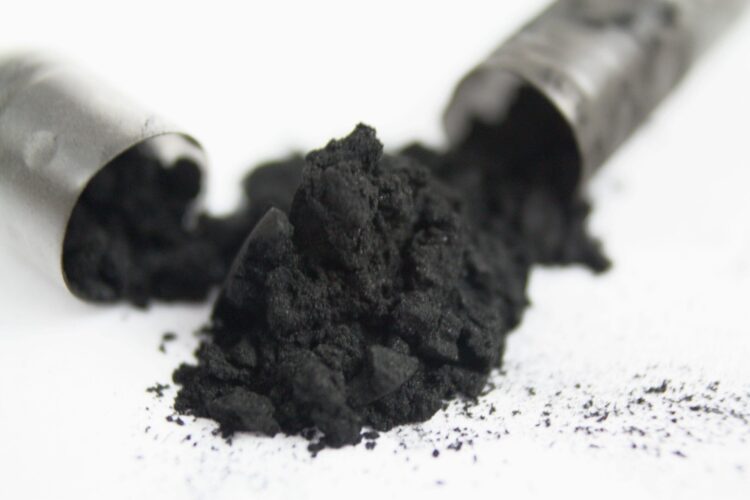
In this evolving landscape, materials like ink carbon black have become essential in shaping how modern products are designed and used. Their contribution goes far beyond aesthetics, quietly supporting innovation across industries that demand both precision and reliability.
The Evolution of Functional Coatings
In the past, coatings were primarily used for protection or decoration. Over time, however, their role has expanded significantly. Today’s coatings are engineered to deliver specific functionalities, whether it is improving electrical performance, enhancing resistance to environmental factors, or enabling new technological capabilities.
This shift has been driven by the growing complexity of modern products. As devices become smaller and more advanced, the materials used in their construction must perform multiple roles simultaneously. Coatings have stepped up to meet this challenge, offering solutions that combine strength, flexibility, and efficiency in a single layer.
The development of advanced materials has made it possible to achieve levels of performance that were once unimaginable. These innovations are not only improving existing products but also opening the door to entirely new applications.
The Science of Conductivity and Precision
One of the most fascinating aspects of modern coatings is their ability to conduct electricity while maintaining stability and durability. This unique combination is essential for applications that require both performance and reliability.
Materials used in conductive coatings are carefully engineered to create pathways for electrical flow. At the same time, they must resist wear, temperature changes, and environmental exposure. Achieving this balance requires a deep understanding of material science and precise control over the manufacturing process.
This is where solutions like carbon conductive ink come into play. They enable manufacturers to print conductive patterns on various surfaces, making them ideal for applications such as sensors, flexible electronics, and printed circuit components. The ability to integrate conductivity into a thin, adaptable layer has revolutionized the way electronic devices are designed and produced.
Expanding Applications Across Industries
The impact of advanced coatings is not limited to a single sector. Instead, their versatility allows them to be used in a wide range of industries, each with its own unique requirements.
In the packaging industry, coatings are used to improve print quality and durability. They ensure that labels and designs remain clear and vibrant, even under challenging conditions. This is particularly important for products that need to maintain a strong visual presence over time.
In electronics, coatings play a crucial role in enabling compact and efficient designs. By integrating functionality directly into the surface of a component, manufacturers can reduce the need for additional parts, leading to lighter and more streamlined products. Industrial applications also benefit from these innovations. Coatings that resist corrosion, heat, and wear help extend the lifespan of equipment and reduce maintenance costs. This makes them an invaluable asset in environments where reliability is critical.
The Role of Innovation in Material Development
Innovation is at the heart of progress in material science. As industries continue to evolve, the demand for more advanced and efficient solutions grows. This has led to significant investments in research and development, with a focus on creating materials that can meet the challenges of the future, including advancements in carbon conductive ink for next-generation applications.
One key area of innovation is the development of sustainable materials. Companies are exploring ways to reduce environmental impact while maintaining high performance. This includes improving production processes, using renewable resources, and developing recycling methods for used materials. Different applications require different properties, and materials must be tailored to meet these specific needs. By offering a range of formulations, manufacturers can provide solutions that deliver optimal performance in every situation.
Enhancing Durability and Long-Term Performance
Durability is a critical factor in any application, and coatings play a vital role in ensuring that products can withstand the test of time. Whether it is exposure to harsh weather conditions, repeated use, or chemical interactions, coatings must provide reliable protection without compromising functionality.
Advanced materials are designed to create strong bonds with the surfaces they cover, forming a protective barrier that enhances resistance to wear and damage. This not only improves the lifespan of products but also reduces the need for frequent replacements or repairs.
Coatings can also improve performance by maintaining consistent properties over time. This is particularly important in applications where even minor changes can have a significant impact on functionality.
Meeting the Demands of a Changing World
As industries face increasing pressure to innovate and adapt, the role of advanced materials becomes even more important. Companies must find ways to improve efficiency, reduce costs, and meet environmental standards, all while maintaining high levels of quality and performance.
Solutions like carbon coating solutions are helping to address these challenges by providing versatile and effective options for a wide range of applications. Their ability to combine multiple benefits in a single material makes them a valuable tool for manufacturers looking to stay competitive in a rapidly changing market.
The future of material science will be shaped by the ability to balance performance with sustainability. As new technologies emerge, the demand for materials that can support these advancements will continue to grow.
Conclusion
The story of modern innovation is closely tied to the materials that make it possible. Behind every high-performing product is a combination of science, engineering, and creativity working together to deliver exceptional results.
As industries continue to push the boundaries of what is possible, the demand for advanced coatings and functional materials will only increase. These solutions not only enhance performance but also open the door to new opportunities and applications through innovations like carbon coating solutions.
For those looking to explore reliable and forward-thinking material solutions, Birla Carbon offers a strong foundation of expertise and innovation, supporting industries as they move toward a more efficient and sustainable future.